- Apple's Mac mini is experiencing severe shortages and price hikes of up to 600 yuan ($87) in Shenzhen due to the OpenClaw AI frenzy.
- Chinese tech giants like Tencent and Baidu are rolling out cloud alternatives, maintaining a cost advantage over the price-surging Mac mini.
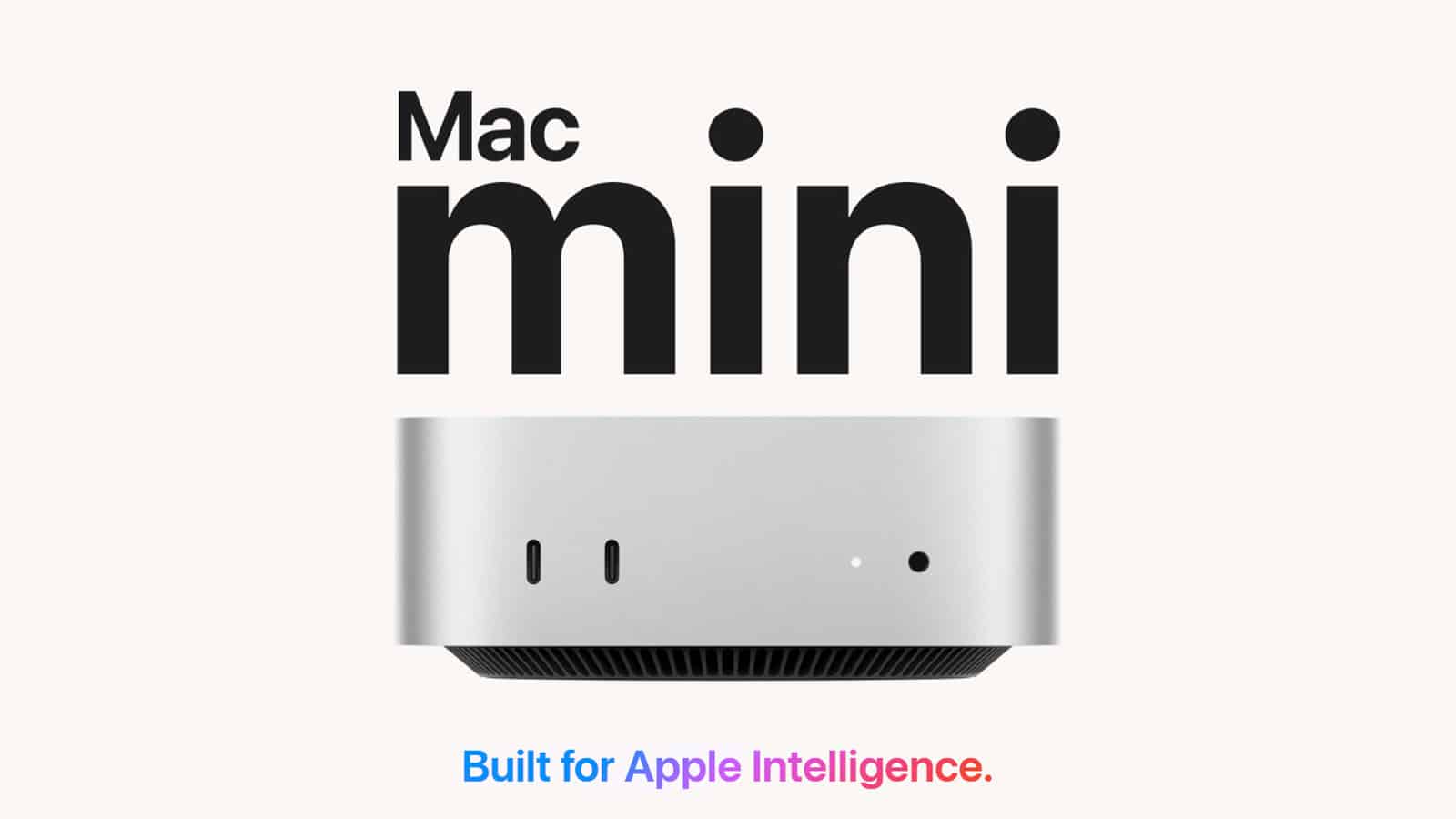
The ongoing OpenClaw frenzy in the Chinese market has driven Apple's Mac mini to become an extremely sought-after electronic product.
Driven by data security concerns, many Chinese users have opted against deploying the artificial intelligence — dubbed "lobster" — on their personal or office computers, choosing instead to purchase Mac mini devices equipped with macOS.
At Huaqiangbei in Shenzhen, the world's largest electronics market, multiple sales booths have completely depleted their Mac mini inventory, according to a field survey by the Securities Times.
Some booths still selling the product have no spot inventory available. The markup phenomenon for this Apple hardware has become highly prominent in the current market, with some sales booths even raising the product's price by hundreds of yuan within a single day.
This previously well-stocked mini-computer has now fallen into a difficult situation where it is hard to find a single unit, according to multiple merchants at the SEG Electronics Market.
Many buyers will sweep up all available inventory at once, and even with price hikes of 600 yuan ($87), there are still consumers willing to make the purchase.
The hottest latest Mac mini models equipped with the M4 chip have long been out of stock. Merchants said they are currently unable to secure supplies and do not know when this severe shortage will end.
Nearby authorized Apple resellers indicated that the spot price for a Mac mini M4 model with 16 GB of memory and 256 GB of storage in their stores is 4,999 yuan. This price is 500 yuan higher than the same configuration on Apple's official website, which shows an estimated shipping time of four to five weeks.
Consumers are purchasing Mac minis in large volumes primarily to deploy OpenClaw, as the software offers the best user experience on the Mac system.
It features the most comprehensive native support and exceptionally high system integration, and can achieve seamless synchronization with other Apple devices such as the iPhone and iPad.
As a mini-computer without a screen, its low power consumption enables uninterrupted 24/7 operation, thereby lowering costs, industry insiders noted.
As this artificial intelligence craze continues, several major Chinese internet companies have rapidly rolled out cloud deployment solutions tailored for OpenClaw.
Tencent launched QClaw and WorkBuddy successively on Monday and Tuesday, while ByteDance also rolled out ArkClaw on Monday. Subsequently, Baidu AI Cloud released DuClaw on Wednesday.
Although these cloud deployment solutions require certain cloud service fees, their costs still hold an advantage compared to the price-surging Mac mini.
Whether the market enthusiasm for the Mac mini will cool down in the future, and whether consumers will return to rational choices from the current buying frenzy, still requires further market observation, the Securities Times report noted.

($1 = 6.8830 yuan)
