- Alibaba plans to launch a laptop called JVS Book and a mini PC product named JVS Box.
- This aggressive move to extend into hardware terminals sets Alibaba apart from rivals like Tencent and ByteDance.
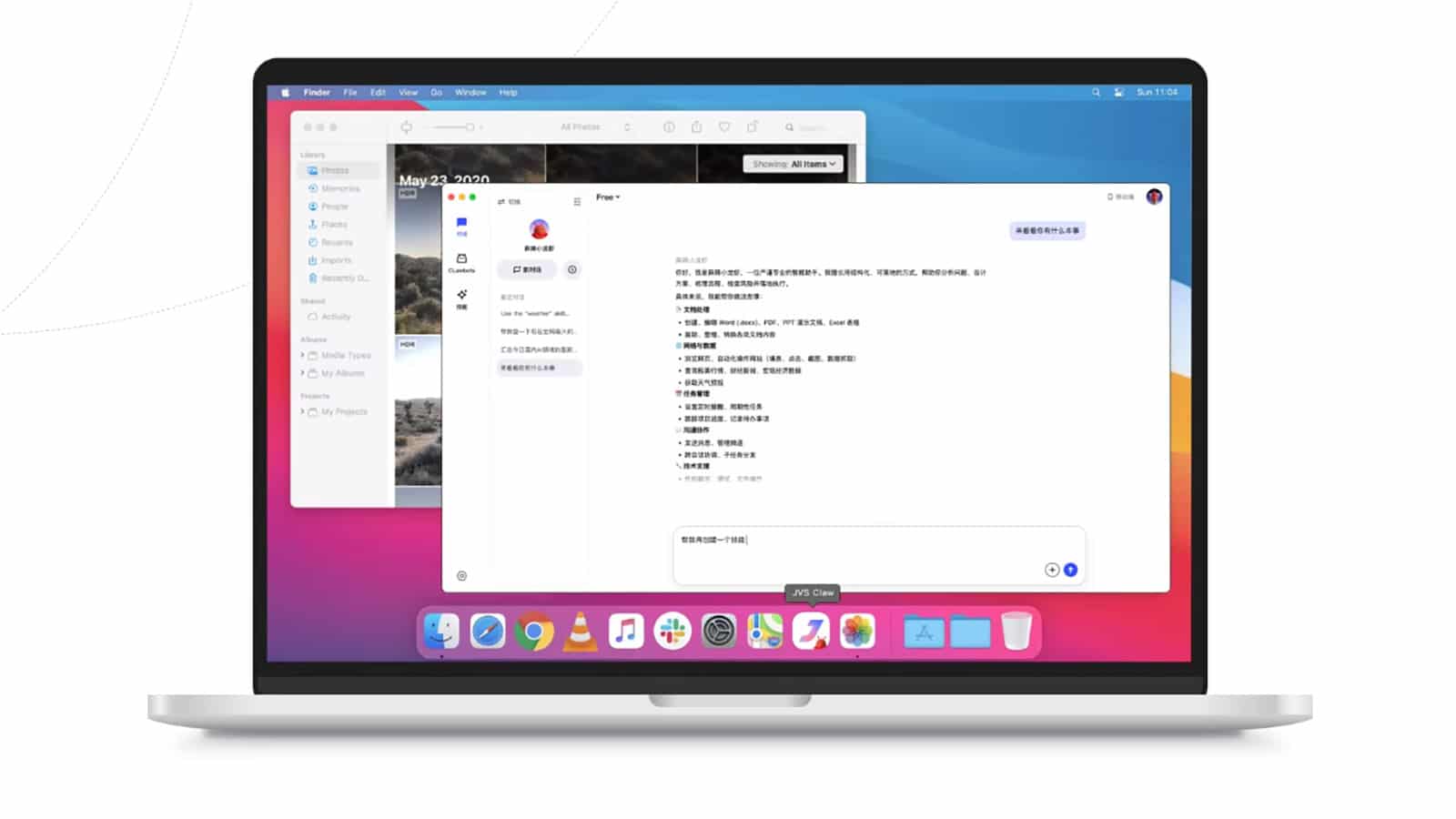
Alibaba will build new hardware devices dedicated to OpenClaw applications, local media Lanjinger reported Monday, citing people familiar with the matter.
The Hangzhou-based Chinese tech giant plans to launch a laptop called JVS Book and a mini PC product named JVS Box.
These upcoming physical devices aim to deeply integrate its recently released AI software platform, thereby building a complete AI agent experience for enterprise users.
The hardware products, which have not yet been officially announced to the public, are currently being spearheaded by Alibaba Cloud's Wuying core cloud computing team for overall research, development, and design.
The JVS Book is primarily targeted at mobile office scenarios, while the JVS Box is explicitly defined as a desktop-level AI agent workstation for enterprise clients.
Both hardware terminals are built on an underlying architecture similar to OpenClaw, reflecting the company's strong desire to compete for the next-generation human-computer interaction interface.
This aggressive move marks Alibaba's highly unique integrated hardware-software business expansion strategy in embracing the open-source AI execution framework.
This approach of extending into hardware terminals creates a sharp contrast and significant differentiation from the strategic paths of its major domestic tech rivals.
Tencent and ByteDance are currently focusing solely on building pure AI software ecosystems through software plugins or cloud services.
Despite high market enthusiasm, some industry observers have expressed skepticism about the absolute necessity of such dedicated AI hardware in the current technological environment, Lanjinger noted.
If existing traditional PCs can achieve most functions simply by installing specific software, the unique commercial value proposition of these dedicated devices remains highly unclear.
Furthermore, these AI agents still face core challenges in practical applications, such as insufficient system stability and the difficulty of effectively breaking down cross-application data silos.
The revelation of this hardware expansion plan coincides with the eve of Alibaba's DAMO Academy preparing to host the 2026 Xuan Tie RISC-V Ecosystem Conference in Shanghai on March 24.
The official agenda of the annual tech conference explicitly includes an unspecified major announcement segment, sparking widespread market speculation about the underlying chip architecture of the new hardware.